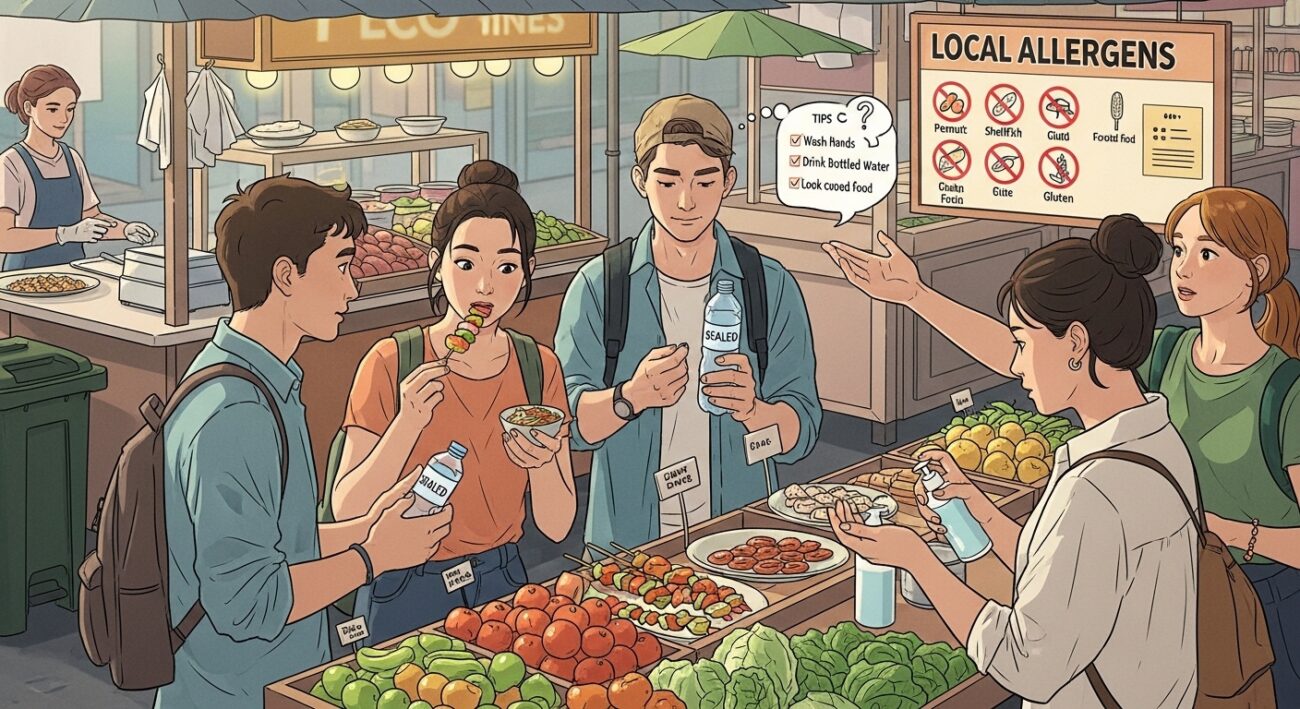
One of the best parts of traveling is experiencing new food. Every country has its own unique flavors, street foods, spices, and traditional dishes. In 2026, food tourism has become a major part of travel culture, with many people planning trips specifically around local cuisine.
However, trying new food also comes with risks if you are not careful. Food hygiene standards, ingredients, and preparation methods can vary from place to place. Eating carelessly can lead to stomach issues, food poisoning, or ruined travel experiences.
Here is a complete guide on how to eat safely while trying new food during travel without missing out on the experience.
Choose Clean and Busy Food Places
One of the simplest ways to avoid food problems is to observe where locals eat.
Why busy places are safer:
- High food turnover means fresher ingredients
- Locals usually know which places are safe
- Food is less likely to sit for long periods
- Better hygiene standards due to competition
If a food stall or restaurant is crowded with locals, it is usually a good sign.
Start with Small Portions
When trying new dishes, avoid eating large quantities immediately.
Smart approach:
- Order small portions first
- Taste before fully committing
- Wait and observe how your body reacts
- Avoid mixing too many unfamiliar foods at once
This helps you reduce risk while still enjoying variety.
Be Careful with Street Food Hygiene
Street food is one of the highlights of travel, but it requires caution.
Look for:
- Clean cooking surfaces
- Freshly cooked food (not pre-cooked and stored)
- Vendors using gloves or utensils
- Proper food storage practices
Avoid food that has been sitting uncovered for long periods.
Drink Safe and Bottled Water Only
Water safety is extremely important when traveling.
Rules to follow:
- Always drink sealed bottled water
- Avoid tap water in unfamiliar countries
- Be careful with ice (it may be made from unsafe water)
- Use bottled water for brushing teeth if needed
Contaminated water is one of the most common causes of travel illness.
Avoid Raw or Undercooked Foods
Raw foods can sometimes carry bacteria that your body is not used to.
Be cautious with:
- Raw seafood or fish
- Undercooked meat
- Unwashed salads or vegetables
- Street-side cut fruits without proper cleaning
Always prefer freshly cooked and hot meals.
Research Local Food Risks Before Traveling
Before visiting a new country, it helps to understand common food-related issues.
Things to check:
- Local hygiene standards
- Common food allergies or ingredients
- Safe drinking water conditions
- Popular safe dishes for tourists
A little research can prevent big problems later.
Watch How Food Is Prepared
If possible, observe how your food is made.
Safe signs:
- Food cooked at high temperature
- Fresh ingredients being used
- Clean utensils and cooking area
- Proper food handling by vendors
If something looks unclean, it is better to avoid it.
Be Careful with Dairy and Sauces
Dairy products and creamy sauces can spoil quickly in warm climates.
Tips:
- Avoid unrefrigerated dairy items
- Be careful with street-side creamy sauces
- Choose freshly prepared items instead of stored ones
Spoiled dairy is a common cause of stomach issues while traveling.
Eat According to Your Body’s Comfort Level
Your body may take time to adjust to new ingredients and spices.
Best practice:
- Don’t overeat on the first day
- Introduce new foods gradually
- Listen to your body’s reaction
- Stop if you feel discomfort
Travel is about enjoyment, not forcing yourself.
Carry Basic Digestive Medicine
Even with precautions, mild stomach issues can sometimes happen.
Useful items:
- Antacids
- Oral rehydration salts
- Basic diarrhea medicine
- Probiotics
Having these with you adds an extra layer of safety.
Avoid Overly Cheap or Suspicious Food Deals
Extremely cheap food is not always a good sign.
Warning signs:
- Food priced much lower than average
- No visible kitchen or preparation area
- No hygiene standards visible
- Food left uncovered in open air
If it feels unsafe, it’s better to skip it.
Trust Your Instincts
Sometimes your instincts are your best guide.
If something feels wrong:
- Smell seems off
- Area looks unclean
- Food handling seems careless
- You feel uncomfortable eating there
It is completely okay to walk away and choose another place.
Final Thoughts
Trying new food is one of the most enjoyable parts of travel, but safety should always come first. With a few simple precautions—like choosing clean places, drinking safe water, and avoiding risky foods—you can enjoy local cuisine without health problems.
